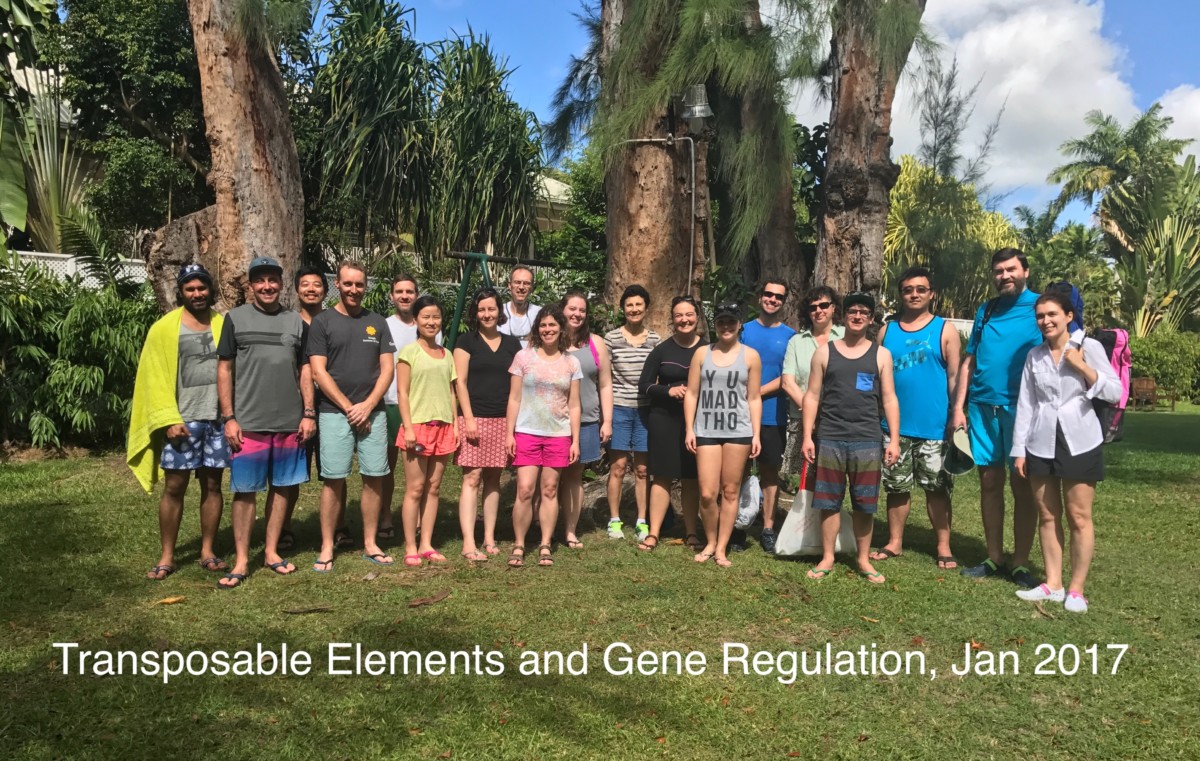
January 5-9, 2026, Bellairs, Barbados
Organizers: Guillaume Bourque and Cedric Feschotte
Focus
This meeting will take place at McGill’s research institute on the Caribbean island of Barbados. This will be a highly interactive workshop that will bring together approximately 35 researchers working in the fields of transposable elements, repetitive DNA, centromeres, telomeres, epigenetics, functional genomics and evolution. In addition to inviting each participant to present their own work, participants will be invited to take part in discussions on a variety of topics that pertain to this area of research.
Confirmed list of speakers
Tuğçe Aktaş (Max-Planck Berlin)
Sebastian Amigorena (Institut Curie)
Christine Beck (Jackson Lab)
Gael Cristofari (CNRS)
Vincent Colot (ENS Paris)
Aurélien Doucet (CNRS)
Richard Durbin (U Cambridge)
Josefa González (Institut Botànic de Barcelona)
Lin He (UC Berkeley)
Robert Hubley (ISB Seattle)
Glennis Logsdon (U Penn)
Mathieu Lupien (U Toronto)
Barbara Mellone (U Connecticut)
Magnus Nordborg (Gregor Mendel Institute)
Miguel Ramalho-Santos (U Toronto)
Arian Smit (ISB Seattle)
Zhiping Weng (U Mass)
ZZ Zhang (Duke)
Cedric Feschotte (Cornell)
Guillaume Bourque (McGill University)
Format and schedule
The workshop schedule is designed to leave ample time for discussion and collaborative work. Each participant will be assigned a 75-minute time slot, which could typically include a 50-minute talk followed by 25 minutes of discussions. Talks and discussions will take place in the mornings and evenings, leaving the afternoons free for small workgroups, touring the island, or just enjoying the beach and the ocean. The workshop will start on the evening of Jan 5th, but you can arrive as early as the 2nd. The workshop will end at noon on Jan 9th.

Activities
Although the goal of the workshop is obviously to get collaborative research done, we will also have time for leisure. The usual schedule is to have presentations and discussions in the morning (9:00-12:00) and evening (7:00-10:00+), but to leave the afternoons free for other activities. The Institute is located right on a quiet beach, excellent for sun bathing, snorkeling and scuba diving, wind surfing, etc., or just to work on projects with a bunch of good friends and a glass of Bajan Rum Punch. The island also has nice hiking trails, golf courses and surfing areas, all within one hour of (cheap) taxi or thrilling but convenient public transportation.

Location and accommodation
The Bellairs Research Institute is a owned by McGill University and used during the summer by marine biologists. The Institute has space for about 35 people and offers relatively basic amenities. This is not a 5-star hotel! Most people will share a room with one other person. The rooms are clean and safe but have no phone or tv (but US cell phones work). The institute is equipped with fairly fast and reliable wireless connection, as well as with desktop few computers. Presentations and discussions usually take place either outdoors or in a air-conditioned conference room. The dinner is prepared by an excellent local chef, while we usually have lunch at one of a few local restaurants. See this additional information about The Bellairs Research Institute. People interested in other types of accommodation (e.g. hotel with more or better services) should contact Guillaume.
Fees
There are no registration fees. Accommodation and food are reasonable (approx. 60-90 USD/day for accommodation + 50 USD/day for breakfast and dinner).

Travel information
There are direct and affordable flights to Barbados from many canadian, american, and european cities. Once at the airport, Bellairs is easily reached by taxi. Barbados is one of the richest islands of the Caribbean, and also one of the safest. English is the main language (although it is no longer a British Dominion) and the population is helpful and friendly. Credit cards and travelers checks are accepted. Precise traveling instructions will be sent to the participants later.
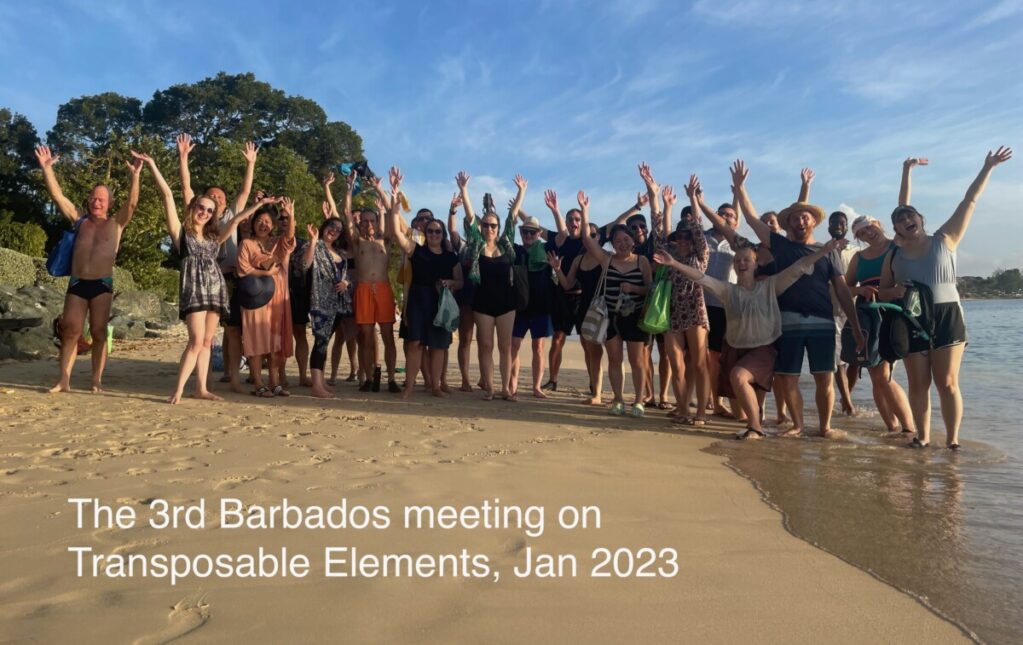
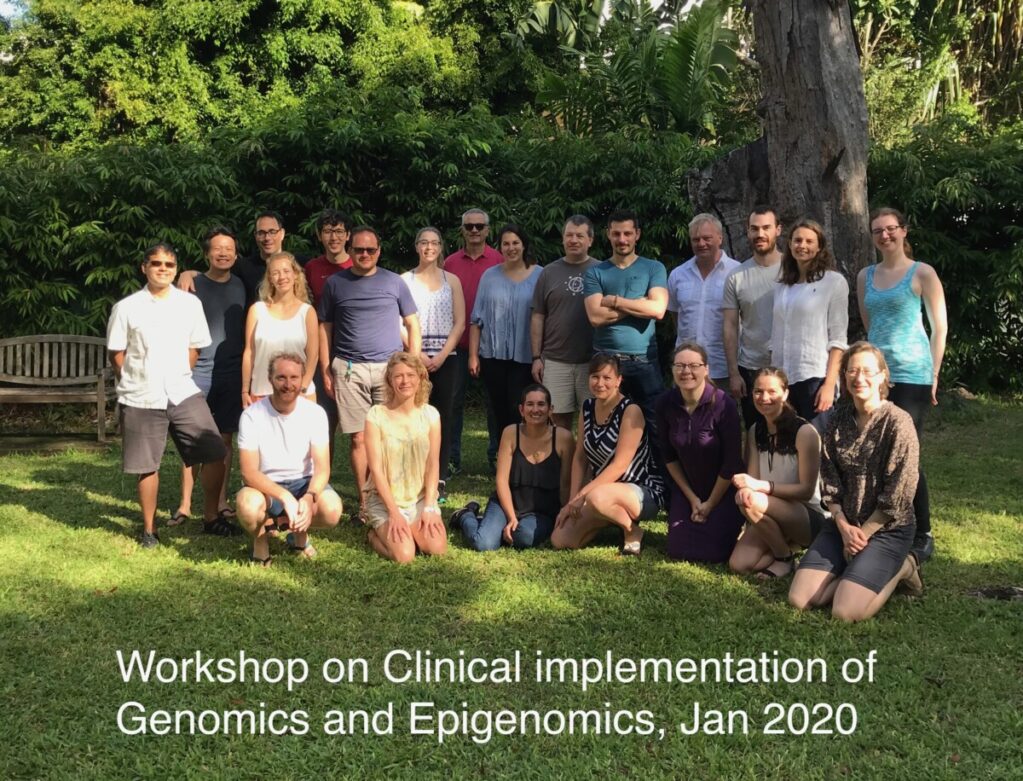
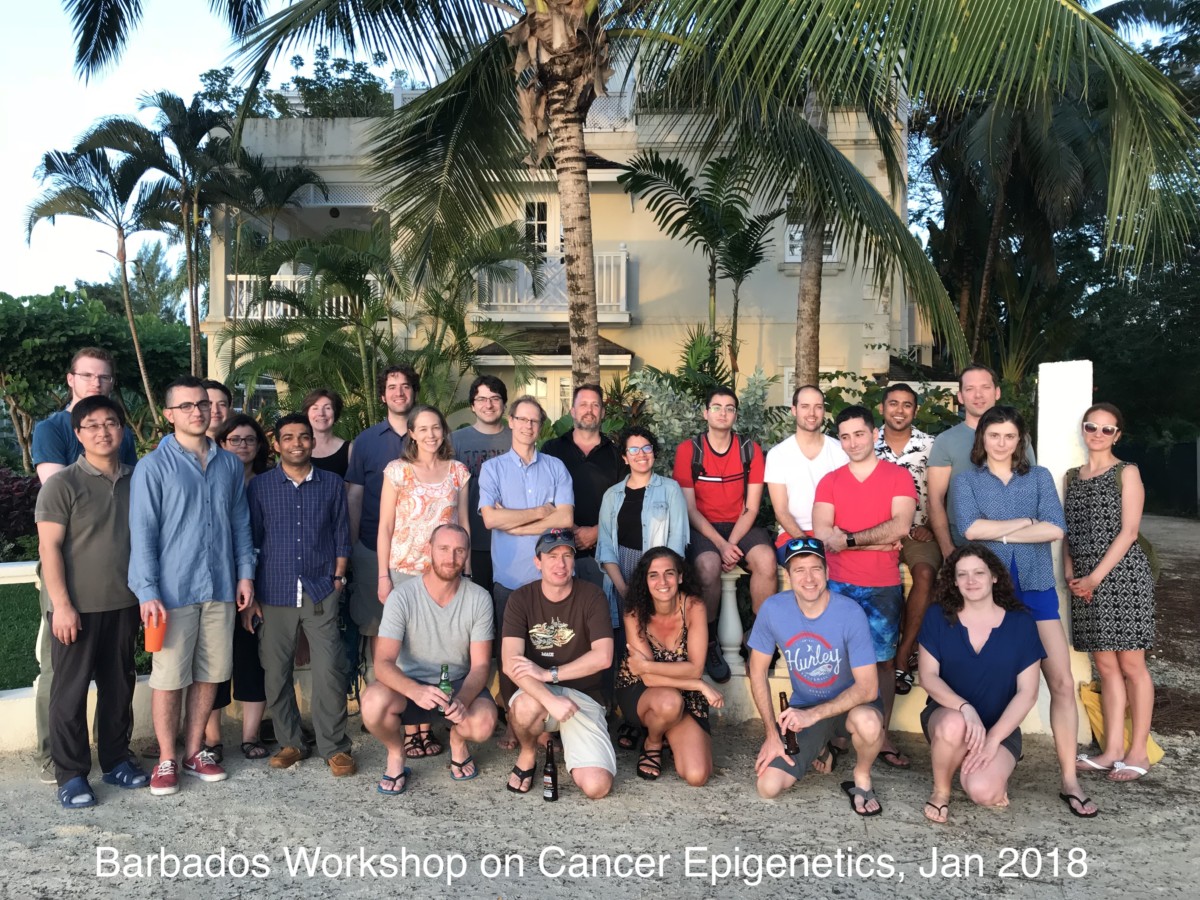
Previous meetings