
Ireland and Canada Join Forces to Study Pollinator Health Through the Honey Bee Microbiome
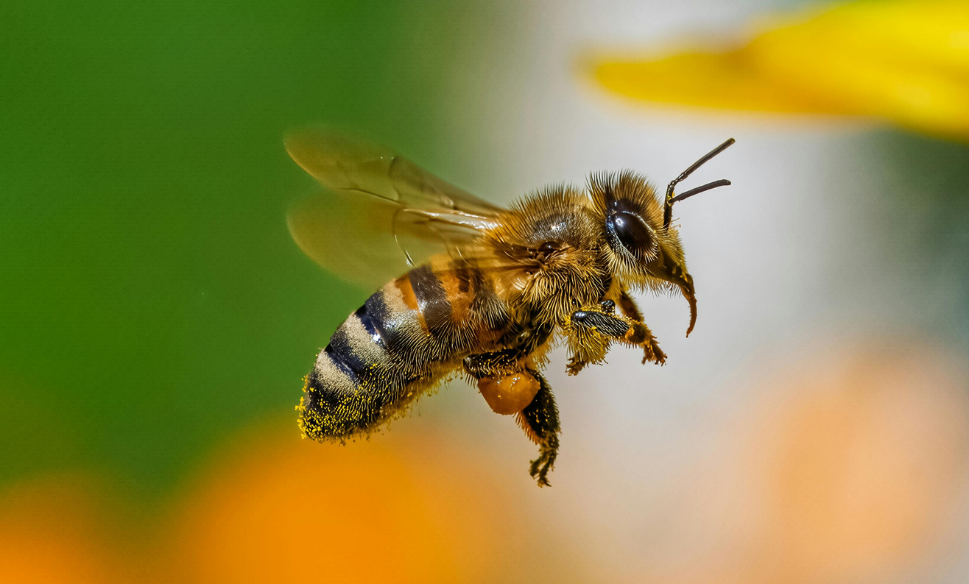
Honey bees are essential to agriculture, biodiversity, and healthy ecosystems. Yet they face many pressures at once, including pathogens, pesticides, habitat change, and shifting environmental conditions. These pressures can affect individual bees, entire colonies, and the microbial communities that help support bee health.
The PROBEE project, Protecting Irish Bees Through Field Trials and Metagenomics Informed Strategies, brings together researchers from University College Dublin and the Canadian Centre for Computational Genomics to better understand how environmental stressors shape the honey bee gut microbiome.
The project is led by Julia Jones and the Jones Bee Lab at University College Dublin, with Marcela Diaz Rivadeneira and Nicholas Brereton. Bioinformatics and statistical analysis are led by C3G’s very own Metagenomics Specialist, Emmanuel Gonzalez.
A Large-Scale Study of Irish Honey Bee Colonies
As part of PROBEE, researchers surveyed approximately 150 honey bee apiaries across the island of Ireland. The team characterized major pathogens and pesticide exposure in colonies, creating a detailed biological and environmental picture of honey bee health across the landscape.
The microbiome component uses amplicon sequencing, including 16S rRNA profiling, to study microbial communities in the honey bee gut. Whole metagenome sequencing is also being developed as an additional layer of the project.
The honey bee gut microbiome plays an important role in digestion, immunity, pathogen resistance, and overall health. By studying how these microbial communities respond to stressors, the team aims to better understand what helps colonies remain resilient.
“Honey bees are exposed to multiple stressors at the same time, from pathogens to pesticides, and these pressures do not act in isolation. PROBEE allows us to study these interactions directly in Irish apiaries and ask how they affect the gut microbiome, colony health, and long-term pollinator resilience.”
Julia Jones, University College Dublin
The Role of C3G and Computational Genomics
C3G contributed to the computational and bioinformatics analysis of the sequencing data generated through the project.
This work includes:
- Processing and quality control of large-scale sequencing datasets
- Microbiome profiling from amplicon sequencing data
- Characterization of microbial community composition and abundance
- Statistical analysis of relationships between pathogens, pesticides, colony-level variables, and microbiome structure
- Integration of biological and environmental metadata with sequencing results
First round microbiome analyses have been completed, and the results are now being interpreted and organized for communication with collaborators and eventual publication.
“Ireland has a unique opportunity to understand how pathogens and pesticides shape bee health at the microbial level. By combining field sampling with computational genomics, we can move beyond descriptive profiling and begin identifying biological patterns that may help explain colony resilience.”
–Emmanuel Gonzalez, Canadian Centre for Computational Genomics, McGill University
Looking Beyond the Microbiome
An emerging direction for the project is the integration of host genomic information derived directly from the metagenomic sequencing data.
Because the sequencing strategy captures both microbial and host-derived DNA, the same dataset can support analyses of the honey bee gut microbiome as well as the genetic background of the bees. This creates an opportunity to explore broad honey bee lineage assignment and population structure alongside microbiome analyses. This added layer could help researchers understand whether host genetic background explains part of the microbiome variation observed across apiaries.
Looking Ahead
Building on the PROBEE collaboration, the team is exploring participation in BEE ONE, a proposed EU Horizon Europe project that would extend microbiome-informed approaches to honey and hive systems across multiple European countries. If funded, BEE ONE would represent a significant expansion of the Ireland and Canada collaboration into a broader international consortium.
What This Means for Bee Health
Pollinators are key to ecosystems and food production worldwide. Understanding how environmental pressures affect honey bees at the microbial and genomic level may help guide future strategies for pollinator protection and sustainable agriculture.
Beyond bees themselves, the project also contributes to broader scientific questions about host microbiome interactions and how environmental stressors influence microbial ecosystems in animals.
Further, the PROBEE project highlights the value of international collaboration. It connects Irish field expertise with Canadian computational genomics capacity to generate new insight into a complex biological system that matters for biodiversity, agriculture, and environmental resilience.
Project Status
The first round of honey bee gut microbiome analyses is complete. The team is currently interpreting the results, refining the biological questions, and developing additional host genomic analyses to complement the microbiome component.
Collaborators
- Julia Jones and the Jones Bee Lab, University College Dublin
- Marcela Diaz Rivadeneira, PhD researcher, University College Dublin
- Nicholas Brereton, University College Dublin
- Emmanuel Gonzalez and collaborators, Canadian Centre for Computational Genomics, McGill University